
Sail Light: Mastering Compact Luggage for Effortless Cruise Adventures
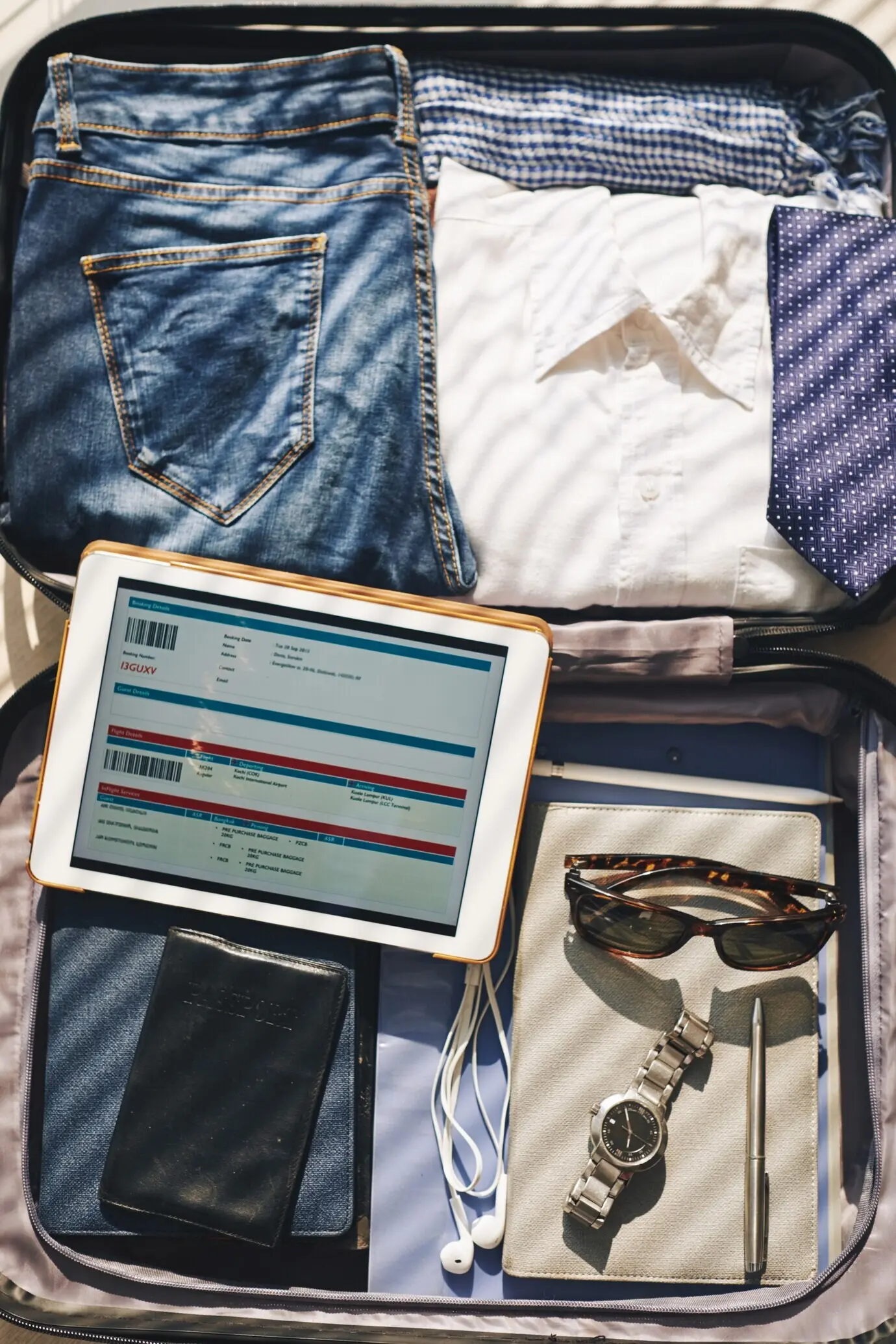
Join us as we explore compact luggage and packing cubes, optimizing space for cruises without sacrificing style or comfort. Learn how small, well-organized bags glide through embarkation, fit under cabin beds, and keep outfits crisp. Discover compression techniques, capsule wardrobes, and unpacking tricks that turn tiny cabins into effortless basecamps. Expect practical checklists, gentle debates about rolling versus folding, and lively traveler stories. Share your strategies in the comments and sail lighter, smarter, and happier on your next voyage.

Why Smaller Bags Win on the Water

Cruise cabins reward restraint. Compact suitcases slip beneath beds, leave more floor space, and simplify quick cabin changes between pool time and dinner. Smaller luggage also handles staircases, tender boats, and narrow hallways with less stress. If you’re flying to the port, carry-on dimensions and weight suddenly matter, making efficient packing doubly valuable. We’ll outline practical measurements, share lessons from crowded embarkation days, and offer confidence-building choices that reduce friction from door to door while protecting precious vacation energy.

Under‑bed clearance and smart suitcase heights

Most modern ships offer under‑bed clearance around 12 to 14 inches, perfect for many 22-inch carry-ons and slim 24-inch cases when wheels face outward. Measure your bag’s total height including handles and wheels. Low-profile spinners and soft-sided duffels usually slide easily, keeping your walkway open and laundry tidy. If concerned, ask your line or search recent cruisers’ photos before sailing.

Navigating embarkation day: hands free

Compact luggage shines when cabins are not yet ready and elevators are crowded. Pack a small daypack with swimsuits, sunscreen, meds, and documents, while cubes keep evening clothes separate inside your main bag. Checking fewer, lighter pieces speeds security, reduces porter confusion, and leaves you free to enjoy sail-away snacks without babysitting heavy gear in every lounge.

Tender ports and stairs

Some itineraries skip piers and use tender boats, where steps, gaps, and wet gangways can complicate movement. Smaller, balanced bags feel safer and less awkward. Keep heavier items near the wheel base, grab a side handle, and rely on cubes to prevent shifting. You will board faster, arrive calmer, and protect fragile gifts packed for later.

Compression versus classic

Compression cubes shine for thicker items like denim, sweaters, and hoodies, shaving dead air from your suitcase while keeping stacks contained. Classic cubes protect delicate fabrics, beach cover-ups, and dinner outfits that resent harsh compression. Many travelers use both: compress for bulk, classic for wrinkle-prone fabrics. Combine with tissue or dry cleaning bags to reduce friction and ease pressing later.

Color coding for cabin harmony

Assign each traveler or clothing category a unique cube color or zipper style. In small spaces, that instant visual cue reduces rummaging noises, respects sleeping cabinmates, and trims minutes off every change. Add simple labels or packing lists tucked under mesh. When laundry day arrives, everyone knows exactly where items belong, preventing frustrating mix-ups and keeping drawers tidy until disembarkation morning.

Waterproof and laundry strategies

Include a waterproof pouch for wet swimsuits and a mesh cube designated as a hamper. Quick rinse swimwear can dry overnight near the bathroom’s retractable line, while mesh allows airflow and odor control. A small bottle of sink-friendly detergent, a folding hanger, and a flat plug stopper complete an easy mid-cruise refresh, saving space by enabling strategic rewashing rather than overpacking bulky backups.

Capsule Wardrobe for Seven Nights at Sea

Build a flexible, compact capsule that handles breezy decks, air-conditioned dining rooms, and tropical ports with grace. Focus on coordinated colors, quick-dry fabrics, and layers. Prioritize pieces that dress up or down with simple accessories. Thoughtful planning eliminates decision fatigue, and packing cubes preserve categories so you can grab exactly what you need. Share your favorite mix-and-match formulas below to inspire fellow cruisers prepping their first voyage.

The 5‑4‑3‑2‑1 cruise formula

Treat it as a playful guide, not a rule: five tops, four bottoms, three lightweight layers or dresses, two swim sets, one formal outfit. Swap numbers to fit itinerary length and laundry access. Choose neutral bases and one accent color to multiply combinations. Pack a compact stain stick and a travel steamer alternative, then track what you actually wore to refine next time.

Shoes: the three‑pair rule

Limit yourself to a supportive walking pair, breathable deck sandals or slides, and one dressier option suitable for evening venues. Pack socks inside shoes, protect soles with shower caps, and position footwear along suitcase edges to stabilize cubes. Choose versatile tones that coordinate broadly, and break in new pairs well before sailing to prevent blisters that can derail shore excursions.

Accessories that transform outfits

Small additions work hard at sea. A scarf, pocket square, lightweight cardigan, earrings, or tie can flip a daytime look to dinner-ready without adding bulk. Store accessories in a slim cube or zip pouch for quick changes. Consider UV hats that collapse flat, belts that roll into collars, and jewelry organizers that prevent tangles, keeping your cabin clutter-free and mornings pleasantly unhurried.

Toiletries, Tech, and Essentials without Bulk

Space-savvy travel kits matter on ships and flights to the port. Decant liquids, consider solid shampoo and sunscreen sticks, and use leakproof bottles inside a quart-sized pouch when flying. Keep medications, documents, and valuables in a personal item you never check. Choose a compact, non-surge USB hub approved by your cruise line, corral cables in a slim organizer, and label chargers to avoid mix-ups with cabinmates.

Decanting and leakproofing

Reduce weight by transferring liquids into travel bottles with clear labels and wide mouths for refilling. Double-bag potentially messy items, add a silicone bottle sleeve, and keep the kit upright in a small cube. Solid versions of shampoo, conditioner, and lotion bars eliminate spill risk. Remember airline 3‑1‑1 rules if flying, and store a tiny roll of tape for emergency seal fixes.

Slim tech kit for sea days

Most cabins crave outlets. Pack a cruise-compliant, non-surge USB hub, short cables, and a compact e-reader instead of a pile of books. Slip AirTag or Tile trackers into bags, and add a tiny microfiber cloth for salt spray. Keep headphones and chargers in a labeled pouch, making bedtime wind-downs smooth even when lights are out and bunkmates are sleeping.

Suitcase Layout: A Proven System

A logical layout works harder than any single gadget. Place heavier items near wheel wells, line edges with shoes, then stack cubes by function: daywear, evening, swim, gym, and sleep. Tuck electronics and toiletries where they are easily removed for security or quick freshening. Onboard, slide cubes into drawers and closets, turning the suitcase into tidy under-bed storage that closes quickly before early port mornings.

Activity cubes speed every change

Create dedicated cubes by activity to keep your brain on vacation: a swim cube with suits, rash guard, sunscreen, and sunhat; a fitness cube with tops, shorts, and socks; an evening cube with dress pieces and accessories. During busy itineraries, grab-and-go organization feels luxurious, preserving energy for sunsets, shows, and long conversations rather than chaotic digging through mixed piles.

Rolling versus folding: a practical truce

Rolling inside cubes often reduces creases on knit fabrics, while strategic folding preserves structure for collared shirts and skirts. Combine methods within the same cube, adding tissue between layers when needed. The real win is consistency: put items back the same way, maintain categories, and avoid overstuffing zippers that stress fabric and prematurely age otherwise excellent lightweight luggage.

Unpack in minutes, repack in moments

On embarkation day, place labeled cubes directly into drawers, hang formalwear, and leave one empty cube for laundry. Keep embarkation-day essentials accessible until your cabin is ready, then stow the suitcase under the bed. On the final night, reverse the process effortlessly, preserving enough energy to enjoy that last show, deck stroll, or starry goodbye on the open sea.

Laundry and Rewearing Strategies Onboard

Smart laundry plans allow smaller bags without sacrificing freshness. Many ships offer laundry services; some provide self-serve rooms, irons, or pressing for a fee. A sink-wash kit handles quick refreshes between formal nights. Choose quick-drying fabrics, rotate outfits thoughtfully, and use mesh cubes as breathable hampers. Schedule a midweek wash to reset, freeing suitcase space for souvenirs and reducing end-of-trip chaos.

Quick-dry materials and safe drying spots

Performance blends, merino, and lightweight synthetics dry quickly, especially when rolled in a towel before hanging. Use the bathroom’s retractable line, not balconies, which are typically restricted for safety. Mini clothespins and a folding hanger help maximize airflow. Pack a small deodorizing spray and fabric refresher to extend wears, keeping outfits pleasant without hauling bulky duplicates you rarely touch.

Stain and odor control kit

Carry a stain pen, small detergent sheets, a bar of laundry soap, and a few resealable bags for spot treatments. Add a breathable pouch for worn items to isolate odors. A collapsible basin or sink stopper expands options in compact bathrooms. These tiny tools erase stress after gelato mishaps ashore or sunscreen smudges, preserving your capsule wardrobe’s flexibility across changing plans.

Mid-cruise reset day

Pick a quiet sea day or late afternoon return to run a quick wash, press a dinner shirt, and reorganize cubes. This intentional pause keeps drawers tidy, reveals gaps before formal events, and prevents last-night panic. Leave delicate pieces for professional pressing if available, and celebrate the reclaimed space with a souvenir or extra snacks for sunrise balcony coffee.

Packing Together: Couples, Families, and Friends

Shared cubes and simple labels

Color-coded cubes curb confusion, especially in dim cabins early or late. Add laminated cards listing contents, or slip a sticky note under mesh to remind future you where the swimsuit or adapter hides. Agree on a common return spot for essentials, then reward the team with an unhurried sail-away toast instead of a frantic hunt for missing socks.

Kids who pack like pros

Give each child one carry-on and one color of cubes, teaching them to assemble outfits by bundle. Place embarkation-day swimsuits and sandals at the top so pools can be enjoyed immediately. Include a small activity pouch for lines and menus. Celebrate their independence onboard by letting them manage laundry cubes, turning organization into a game that lightens everyone’s load.

Leave room for memories

Plan an expandable margin. Use compression on the journey out, then release zippers for return or deploy a featherlight packable duffel for souvenirs. Wrap fragile items in clothing within a rigid cube for protection. Keep receipts and customs forms together. A tiny luggage scale helps avoid surprises at the airport, preserving your relaxed post-cruise glow right through the journey home.
Totazofemuke
Privacy Overview

This website uses cookies so that we can provide you with the best user experience possible. Cookie information is stored in your browser and performs functions such as recognising you when you return to our website and helping our team to understand which sections of the website you find most interesting and useful.